

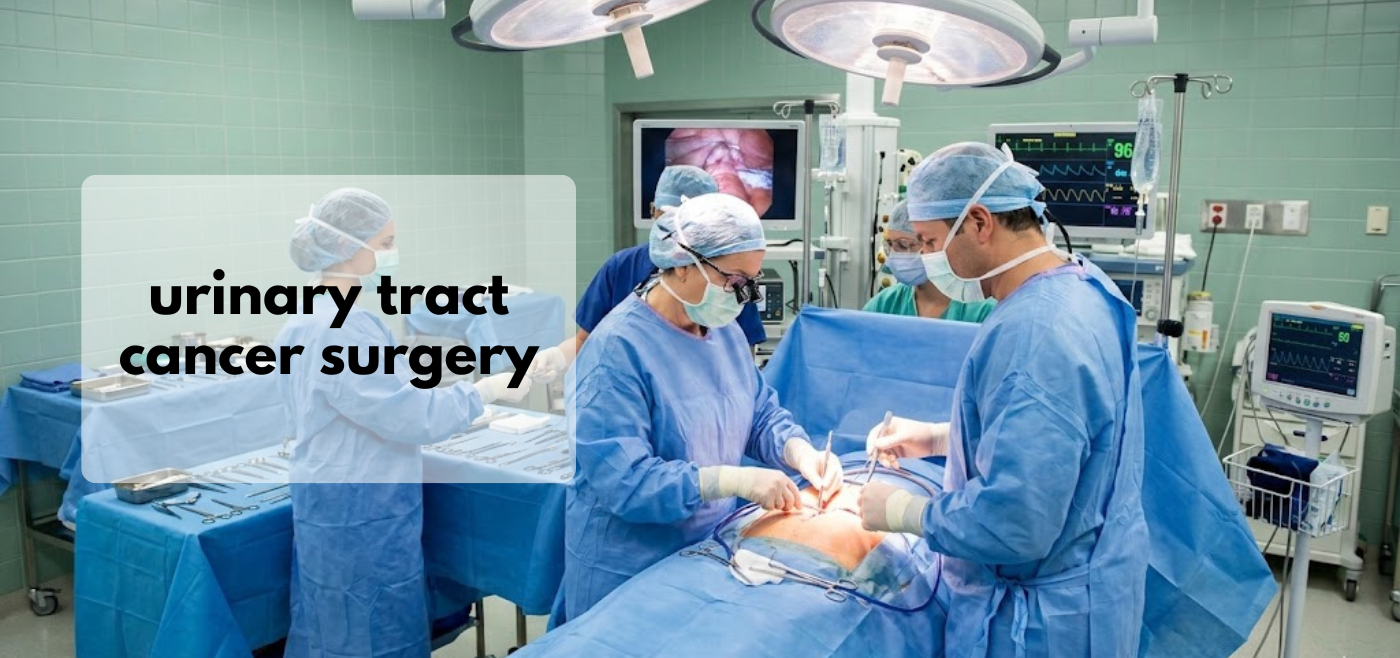
Urinary Tract Cancer Surgery
Urinary tract cancer affects the organs responsible for producing and carrying urine, including the kidneys, ureters, bladder, and urethra. When diagnosed early and treated appropriately, outcomes can be highly successful. Surgical treatment plays a crucial role in managing many types of urinary tract cancers, offering patients the best chance for cure or long-term control.
Under the expert guidance of Dr. Ankur Arya, patients receive advanced, evidence-based surgical care tailored to their specific condition. With a patient-centered approach and modern surgical techniques, Dr. Arya ensures safe, precise, and effective treatment for urinary tract cancers.
What is Urinary Tract Cancer?
Urinary tract cancer refers to malignant growths that develop in the lining or tissues of the urinary system. The most common types include:
- Bladder Cancer
- Kidney Cancer (Renal Cell Carcinoma)
- Ureter Cancer
- Urethral Cancer
Common symptoms may include blood in urine (hematuria), pain during urination, frequent urination, lower back pain, or unexplained weight loss. Early diagnosis significantly improves treatment outcomes, making timely evaluation essential.
When is Surgery Required?
Surgery is often the primary treatment for localized urinary tract cancers. It may also be part of a combined treatment plan involving chemotherapy, immunotherapy, or radiation therapy.
Surgical intervention may be recommended in cases of:
- Tumors confined to the kidney or bladder
- High-grade or aggressive cancers
- Recurrent tumors
- Obstruction or bleeding caused by cancer
- Failure of non-surgical treatments
Dr. Ankur Arya carefully evaluates each patient through advanced imaging, biopsy results, and staging assessments to design a personalized surgical plan.
Types of Urinary Tract Cancer Surgeries
1. Kidney Cancer Surgery
For kidney tumors, surgical options may include:
- Partial Nephrectomy – Removal of only the tumor while preserving healthy kidney tissue.
- Radical Nephrectomy – Complete removal of the affected kidney, sometimes along with surrounding tissues or lymph nodes.
Whenever possible, kidney-sparing techniques are preferred to maintain optimal kidney function.
2. Bladder Cancer Surgery
Bladder cancer treatment depends on the stage of the disease:
- Transurethral Resection of Bladder Tumor (TURBT) – Minimally invasive removal of early-stage tumors through the urethra.
- Partial Cystectomy – Removal of part of the bladder.
- Radical Cystectomy – Removal of the entire bladder in advanced cases, followed by urinary diversion procedures.
3. Ureter and Urethral Cancer Surgery
Depending on tumor location and stage, surgery may involve:
- Removal of part or all of the ureter
- Reconstruction of urinary pathways
- Lymph node removal for staging and disease control
Each procedure is customized to ensure maximum cancer removal while preserving function whenever possible.
Minimally Invasive & Advanced Techniques
Dr. Ankur Arya specializes in modern surgical approaches, including:
- Laparoscopic Surgery
- Minimally Invasive Procedures
- Precision-Based Oncological Techniques
These advanced methods offer several benefits:
- Smaller incisions
- Reduced blood loss
- Less postoperative pain
- Shorter hospital stay
- Faster recovery
- Lower risk of complications
By utilizing state-of-the-art technology, patients experience improved comfort and quicker return to daily activities.
What to Expect Before Surgery
Before undergoing urinary tract cancer surgery, patients receive comprehensive evaluation, including:
- Detailed physical examination
- Imaging studies (CT scan, MRI, ultrasound)
- Laboratory tests
- Anesthetic assessment
- Counseling regarding procedure and recovery
Dr. Arya ensures that patients and families clearly understand the treatment plan, expected outcomes, and postoperative care process.
Recovery & Post-Surgical Care
Recovery time varies depending on the type of surgery performed. Minimally invasive procedures generally allow faster healing, while major surgeries like radical cystectomy may require longer recovery and rehabilitation.
Postoperative care may include:
- Pain management
- Monitoring kidney function
- Wound care
- Urinary diversion management (if required)
- Follow-up imaging and laboratory tests
- Long-term cancer surveillance
Dr. Ankur Arya emphasizes continuous follow-up care to detect any recurrence early and ensure long-term health and well-being.
Why Choose Dr. Ankur Arya?
Choosing the right surgeon is crucial for successful cancer treatment. Dr. Ankur Arya is known for:
- Expertise in urological oncology
- Personalized treatment planning
- Advanced surgical skills
- Compassionate patient care
- Commitment to evidence-based medicine
- Focus on functional preservation and quality of life
Every patient receives individualized attention, clear communication, and a carefully structured treatment pathway designed to achieve the best possible outcomes.